
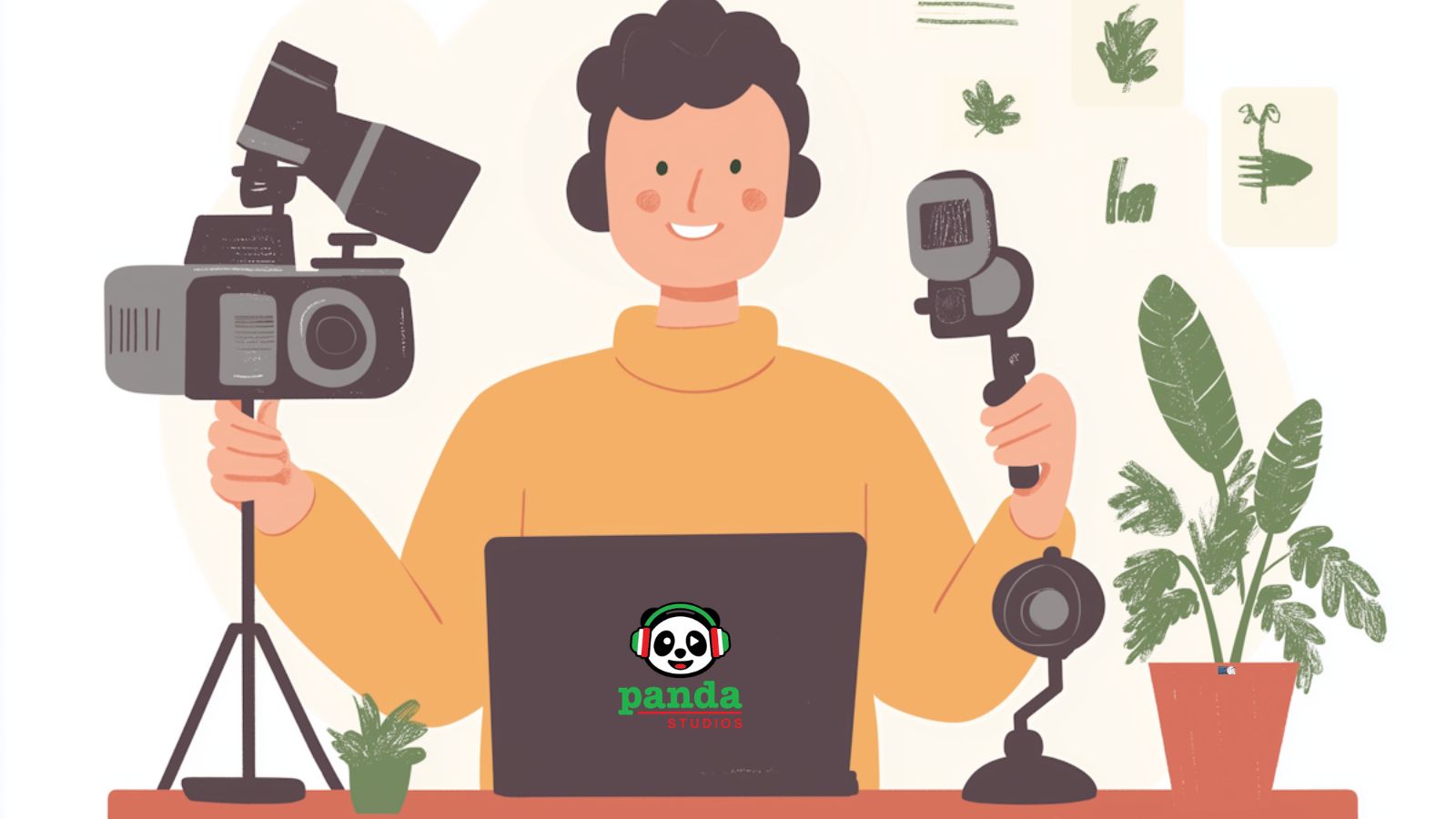

How to Master On-Camera Presence in 10 Steps:
Whether you’re filming a quick Instagram Reel on your phone or standing in front of a professional film crew, the goal is the same: connection. When I’m behind the camera helping brands find their voice, my job isn't to make them look "polished" - it’s to make them look human. Authenticity beats "media-trained" every single time.
Here are ten tips to help you (or your clients) talk to the camera with confidence, clarity, and that elusive natural spark.
1. Understand Your Canvas (The Frame)
Before the "Record" button is hit, look at the monitor. Are you in a wide shot or a tight close-up? Knowing the frame tells you how much space you have to move. If it’s a tight crop from the shoulders up, keep your movements subtle. If it's a wide shot, feel free to use more body language to fill the space.
2. Mind the "Floating Hands"
In tighter frames, hands often stay below the bottom edge of the shot. If you suddenly gesture wildly, your hands "pop" into the frame from nowhere, which can be distracting. Keep your hand gestures within the frame or slightly below the chest level so they feel like a natural extension of your speech, not a surprise guest.
3. Find the "Eye-Contact Cheat"
The "shifty eye" look happens when people look at themselves on the screen or wander around the room. To stay locked in, look directly at the lens.
- The Cheat: Place a small piece of coloured tape or a "pointing arrow" sticky note right next to the lens. It gives your eyes a physical target to return to, ensuring you’re looking directly at your audience.
4. Talk to One Person, Not an "Audience"
The camera can feel cold and clinical. To fix this, don't imagine you're talking to 1,000 followers. Imagine you are talking to one specific friend or client. Your tone will instantly soften, your language will become more "real," and that "rehearsed" robotic voice will disappear.
5. The "Smile Buffer"
Don't wait until you start talking to smile. Start with a pleasant, natural expression two seconds before you speak and hold it for two seconds after you finish. This makes editing much easier and ensures you don't look like you’re suddenly "switching on" for the camera.
6. Know When Not to Smile
Authenticity means matching your expression to your message. If you’re discussing a serious challenge or a professional pain point, a constant grin can feel "salesy" or insincere. It’s okay to be serious, thoughtful, or even concerned. Let your face tell the story as much as your words.
7. Ditch the Script for Bullets
If you memorise a script word-for-word, you’ll spend the whole time trying to remember the next sentence rather than connecting with the viewer. Use 3-5 bullet points instead. This allows you to speak naturally around your key ideas, which keeps the energy high and the delivery fresh.
8. Energy is 10% Higher
The camera has a strange way of "drinking" your energy. If you feel like you’re speaking at a normal, everyday level, you might come across as a bit flat on screen. Aim for about 10% more energy than usual. You don't need to shout—just bring a little more intentionality to your presence.
9. The "Power of the Pause"
Silence is your friend. If you lose your train of thought, don't panic or say "um." Just stop, breathe, and start the sentence again. In the edit, those pauses are easy to cut out. On camera, a calm pause looks like confidence; "umming" looks like nerves.
10. Stick the Landing
The end of your video is the most important part. Avoid the "trailing off" ending where you wander away or look down. Finish your final sentence, look directly into the lens, hold a confident smile or a nod for two seconds, and then stop. A clear, positive ending leaves the viewer feeling like they’ve had a complete, professional experience.
Workshop Alert: I’ll be diving deeper into these techniques at my upcoming workshop for the CPCA Growth Hub, serving Cambridgeshire and Peterborough. If you’re looking to scale your brand’s presence with video that actually resonates, I’d love to see you there!
More ways I can help.